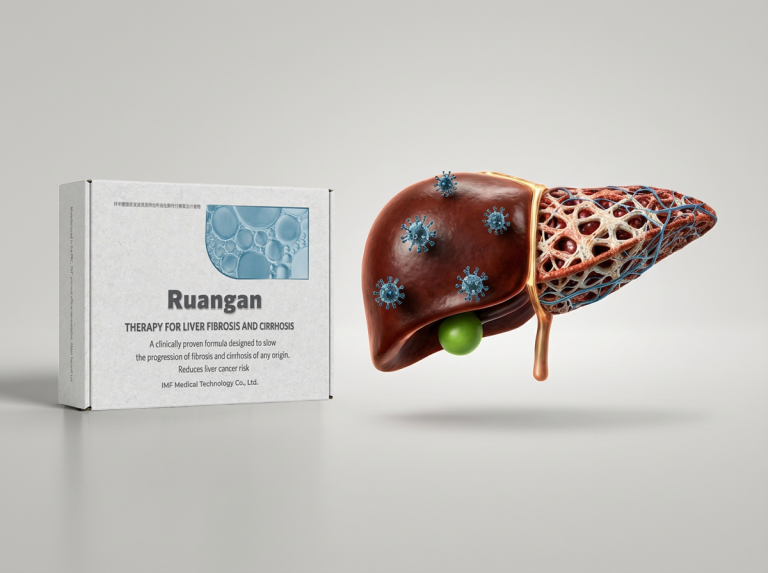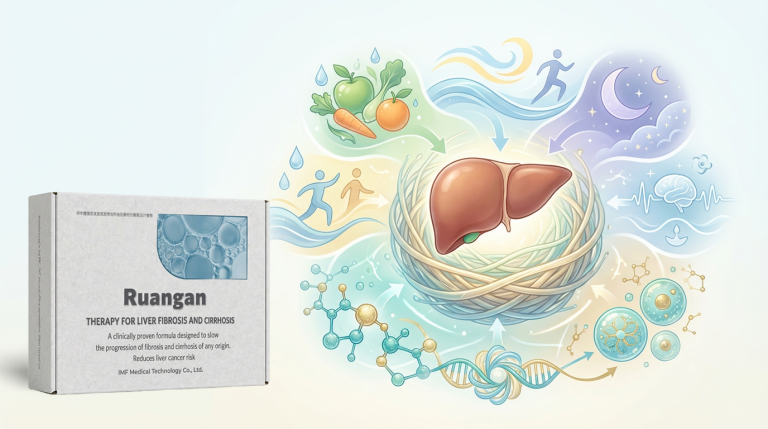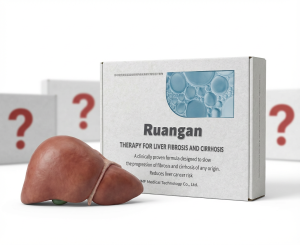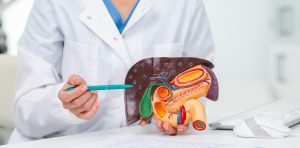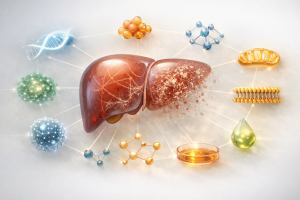


The effectiveness of any drug depends not only on its chemical formula, but also on the correct integration into the therapeutic protocol. In the case of the drug Fufang Bijia Ruangan (Ruangan), which is used to remodel liver tissue in fibrosis and cirrhosis, the mode of use is critical. Liver tissue regeneration processes require a long time, so drug therapy has its own specific features that differ from the usual courses of hepatoprotectors.
Below is a detailed overview of the drug’s recommendations for use, based on the official instructions and the results of large randomized clinical trials (in particular, NCT01965418).
Target patient group
According to the registered indications, the drug is considered as a means of pathogenetic therapy for patients with the following diagnoses::
- Chronic viral hepatitis B and C (especially if there are signs of fibrosis).
- Liver fibrosis of various stages (from initial F1 to severe F3).
- Compensated cirrhosis of the liver (early stage F4).
- Hepatomegaly (enlarged liver) and splenomegaly (enlarged spleen) accompanying chronic inflammation.
- Non-alcoholic fatty liver disease (NAFLD) with the risk of transition to fibrosis.
The main purpose of the application is not just to protect cells (as in classic hepatoprotectors), but to influence the structure of the tissue: softening scars and improving microcirculation.
Standard dosage regimen
In clinical practice and research protocols, a unified scheme for taking the tablet form of the drug is used.
- Single dose: Usually it is 4 tablets (at the rate of 0.5 g of the active substance per tablet).
- Reception multiplicity: The drug is taken 3 times a day.
- Daily load: The total daily dose is 12 tablets (or 6 grams of the active substance).
Reception Features:
It is recommended to take the drug orally, washed down with water. The optimal time is considered to be the period 30 minutes after a meal. This is due to the need to ensure uniform absorption of the multicomponent composition and minimize the possible irritating effect on the gastric mucosa.
Duration of therapy
Unlike the treatment of acute conditions, the fight against fibrosis is a long process. Collagen fibers resolve slowly, so short-term courses (1-2 months) are considered clinically ineffective in this case.
Research data demonstrate the following dependence of results on time:
- Minimum effective rate: Is 6 months (24 weeks)old. During this period, as a rule, it is possible to achieve stabilization of the process and the beginning of biochemical improvements.
- Complete therapeutic course: Is 12 months (48 weeks)old. This duration was used in key clinical trials where histologically confirmed regression of fibrosis and cirrhosis was recorded.
The question of the need for repeated courses or prolongation of therapy is decided individually, based on the dynamics of fibrosis markers.
Combination with other drugs
Modern hepatological protocols are increasingly based on combination therapy. Ruangan demonstrates high compatibility with basic drugs:
- With nucleoside analogues (Entecavir, Tenofovir): This is the most studied combination. Antiviral drugs inhibit viral replication, and Ruangan works with the consequences of inflammation-fibrous tissue. Studies show that co-administration significantly increases the frequency of reverse fibrosis development compared to monotherapy with antiviral agents alone.
- With ursodeoxycholic acid (UDCA) preparations: It can be used together in the presence of cholestasis or biliary problems, but the scheme should be adjusted by the doctor in order to avoid polypharmacy (excessive prescription of drugs).
Security profile and restrictions
Despite its natural origin (based on turtle shell and plant extracts), the drug is an active drug and has its own contraindications.
Contraindications:
- Pregnancy and lactation (the effect on the fetus has not been studied, and some components can tone the myometrium).
- Individual hypersensitivity to the components of the composition.
Side effects:
During clinical observations, the drug showed a favorable safety profile. Adverse reactions were rare (less than 2% of patients) and were usually limited to mild dyspeptic disorders (epigastric discomfort, loosening of the stool), which passed independently and did not require discontinuation of therapy.
Performance monitoring
To objectively assess the effect of the drug during a long course, it is recommended to conduct regular screening (once every 3-6 months).:
- Biochemical blood test: Control of hepatic transaminases (ALT, AST), bilirubin and albumin levels.
- Serum markers of fibrosis: Evaluation of the dynamics of hyaluronic acid, laminin, and type IV collagen.
- Instrumental diagnostics: Liver elastography (Fibroscan) or ultrasound to assess parenchymal density and portal vein diameter.
This material is for informational purposes only and does not replace expert advice. The appointment of a treatment regimen should be made by a doctor taking into account the individual characteristics of the patient.