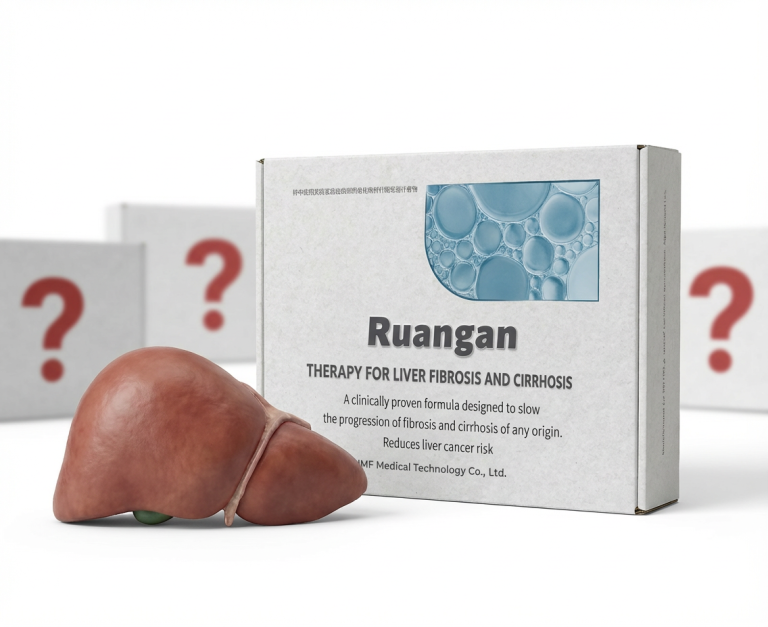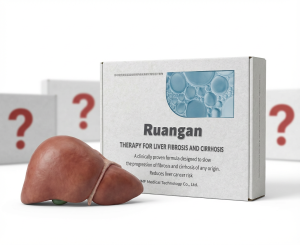

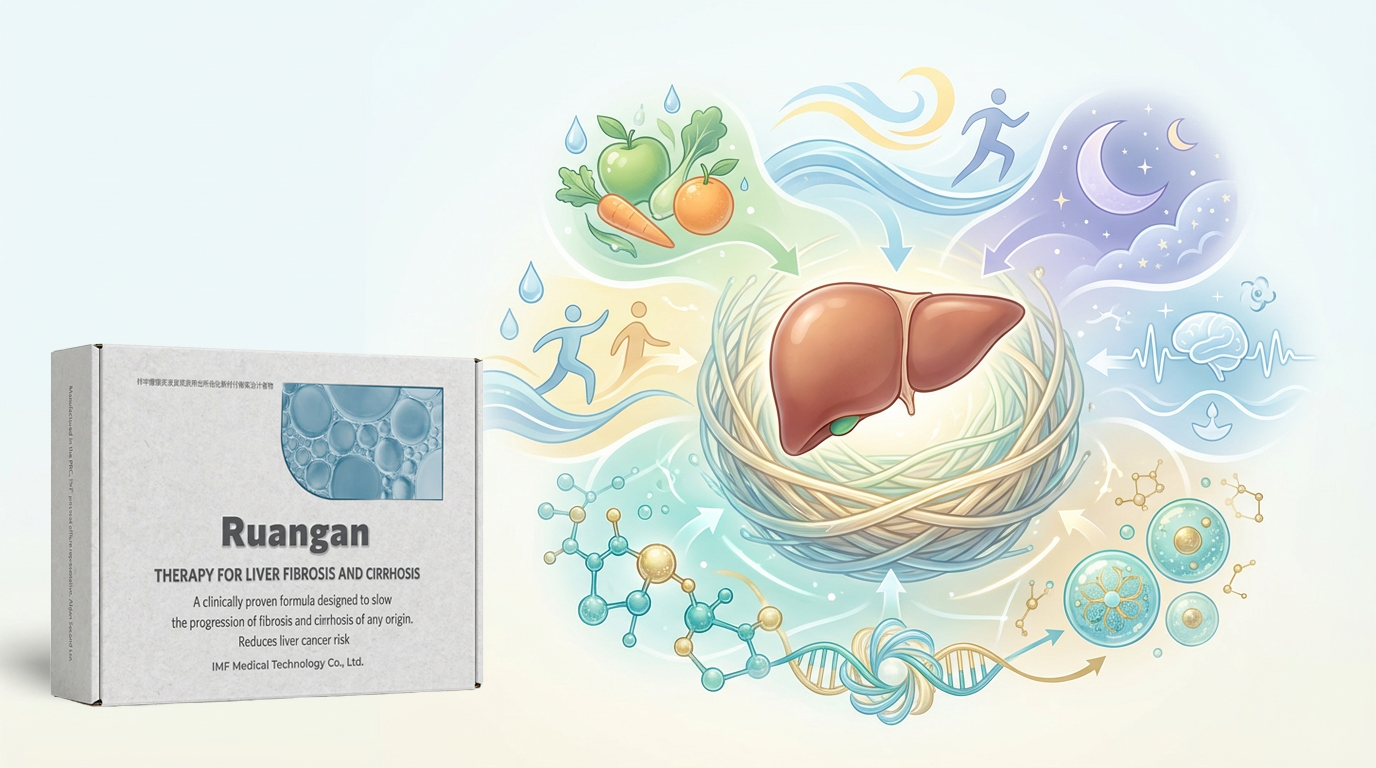
In the treatment of chronic liver diseases, there is a dangerous illusion of a ‘magic pill’. Patients often place all their hopes on powerful drugs — such as Fufang Bijia Ruangan Pian (Ruangan), which has really proven its ability to cause fibrosis regression. The logic seems simple: ‘I drink the medicine, it works, and I continue to live as before.’
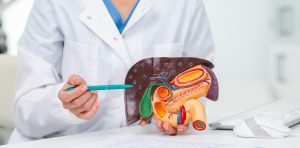
However, clinical practice shows a completely different picture. The liver is not just a filter, it is the main biochemical laboratory of the body. It doesn’t exist in a vacuum. Its ability to regenerate directly depends on what you eat, how you sleep, how much you move, and even what you worry about. Studies confirm that the effectiveness of any antifibrotic therapy can be increased by 20-30% if you create ‘greenhouse conditions’ for the liver to recover. And vice versa — an incorrect lifestyle can negate the effect of even the most expensive medicine.
In this article, we’ll look at the building blocks that make up the foundation of a healthy liver and why the ‘drink and forget’ approach doesn’t work here.
Why does Ruangan need an assistant?
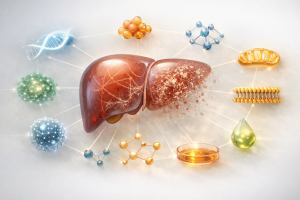
Ruangan acts at the molecular level: it blocks signals to scar formation and activates the enzymes that these scars resolve. But building new, healthy cells (hepatocytes) requires resources — energy and building materials.
Imagine hiring the best construction crew (Ruangan), but not delivering bricks to them (squirrels), turning off the electricity at night (sleep disorders) , and periodically setting off earthquakes (stress and alcohol). Can they build a house? Unlikely.
A comprehensive wellness strategy solves three problems::
- Reduced metabolic load: Remove all unnecessary things that distract the liver from recovery.
- Providing resources: Provide the nutrients needed for cell division.
- Improved blood flow: Deliver medicine and oxygen to every corner of the organ.
1. Diet: Not just Table 5, but a regeneration strategy
The classic ‘Table No. 5’ by Pevsner is outdated. Modern hepatology relies on personalized nutrition protocols. With fibrosis, the diet should be not just gentle, but functional.
- Protein is the basis of life: Many patients with cirrhosis mistakenly limit protein for fear of ammonia. But with compensated fibrosis, protein deficiency is fatal — the liver has nothing to build new cells from. The balance of amino acids (BCAAs) is important, which helps prevent sarcopenia (muscle loss).
- Carbohydrate swings: Insulin resistance is the best friend of fibrosis. Sudden sugar spikes cause fatty degeneration of the liver (steatosis), which is superimposed on fibrosis. The meal plan should include foods with a low glycemic index.
- The microbiome: The intestines and liver are connected directly through the portal vein. ‘Bad’ bacteria produce endotoxins that attack the liver 24/7. A proper diet should treat not only the liver, but also the intestines.
2. Physical activity: liver pump
The liver is an organ that loves movement, but hates overloading. Stagnation of blood in the pelvis and abdominal cavity is the main enemy in fibrosis.
- Aerobic exercise: Walking, swimming, and light cycling improve oxygenation (oxygen saturation). Without oxygen, the enzymes that break down collagen (MMP) work half-heartedly.
- Sarcopenia: In liver diseases, the muscles melt. Strength exercises (adequate, without straining) are necessary for the muscles to utilize excess glucose and ammonia, unloading the liver.
- An important caveat: With esophageal varicose veins, many exercises are strictly prohibited. That is why the training plan should be prepared by a rehabilitation specialist who knows the specifics of hepatology.
3. Circadian rhythms and sleep
The liver works by the hour. At night, from 01:00 to 03:00, the most active processes of detoxification and regeneration take place. If you don’t sleep at this time (or don’t sleep well when you wake up to cortisol), you’re literally stealing your recovery hours.
Chronic lack of sleep increases the level of pro-inflammatory cytokines. Working with sleep is not just a ‘drink of chamomile’, it is building the mode of lighting, temperature and preparation for bed, so that melatonin (a powerful antioxidant) is produced in the right amount.
4. Stress management: psychosomatics of fibrosis
This is not esotericism, but biochemistry. Chronic stress is constantly high cortisol and adrenaline. These hormones cause vasospasm (impairing blood flow to the liver) and suppress the immune system.
A person under stress reacts worse to therapy. You need to work with stress systematically: through breathing practices, cognitive work, and, if necessary, nutraceutical support for the nervous system. ‘A calm patient recovers faster’ is an axiom.
5. Nutraceutical support
In addition to the main treatment (Ruangan + antiviral), the liver often needs helpers:
- Vitamin D (90% of patients with liver diseases are deficient).
- Omega-3 fatty acids (reduce inflammation).
- Detoxification cofactors (B vitamins, magnesium, zinc).
But there is a trap here: uncontrolled intake of dietary supplements can cause drug-induced hepatitis. Everything must be strictly verified: dosages, forms, time of administration and compatibility with Ruangan.
Multi-functional Wellness Plan: Your Roadmap
Putting all these puzzles together on your own is incredibly difficult. There is a lot of information on the Internet, it is contradictory, and mistakes can be expensive. The ‘just eat less fat’ advice doesn’t work anymore.
Understanding this, a team of specialized specialists — hepatologists, clinical nutritionists, rehabilitation specialists and psychologists -developed a specialized product:
A multi-functional wellness plan for people with fibrosis or a multi-functional wellness plan (MPP) for people with cirrhosis of the liver.
This is not just a recipe booklet. This is a complex system adapted to the stages of the disease:
- Division into protocols: Separate strategies for fibrosis (F1-F3) and cirrhosis (F4), as the protein and exercise requirements there are radically different.
- Ready menu: Balanced diets, delicious and safe, taking into account the metabolic characteristics.
- Safe Fitness: Video sets of exercises that improve blood flow, but do not increase intra-abdominal pressure.
- Check lists: Tools for monitoring your daily routine, sleep patterns, and stress levels.
- Compatibility Guide: What can and can not be taken in parallel with Ruangan therapy.
Our goal: Make sure that your every action — from breakfast to walking-works to restore the liver, enhancing the effect of the main therapy.
Get your own recovery plan
If you have already started or are planning to start therapy with Ruangan, do not stop halfway. Connect your body’s resources to 100%.
To get access to the Multi-Functional Wellness Plan (MPP) or to consult about its application, please contact us. We will provide you with materials that will become your daily navigator on the way to a healthy liver.
Contacts for communication and plan request ⤵ ️
➡ ️ WhatsApp
➡ ️ Telegram
➡ ️ Max